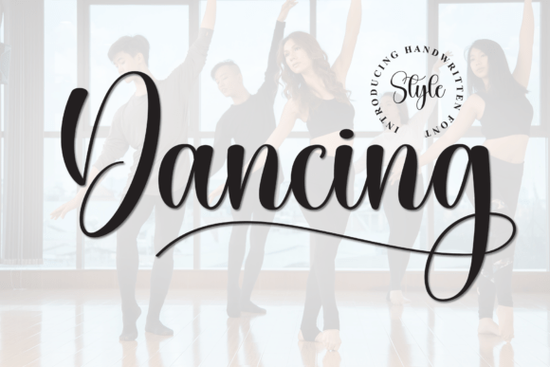
If your designs feel a little too static lately, a script with genuine flow can change everything. The Dancing font is an expressive handwritten script that captures the graceful motion of dance. It pairs elegant curves with a natural, slightly playful rhythm, making it easy to add warmth and energy without losing polish. Whether you work on wedding stationery, boutique branding, or social graphics, this type of flowing lettering helps your typography feel more human and alive.
What makes Dancing feel so fluid and natural?
Unlike stiff formal scripts, Dancing relies on organic stroke variations and a gentle bounce. The letters rise and fall subtly across the baseline, which mimics the irregular movement of actual handwriting. That uneven rhythm stops the text from looking mechanical, while the smooth connections keep readability high. Designers who create branding assets, product labels, or hand-lettered logos often prefer this kind of dynamic baseline because it adds a handcrafted character without sacrificing clarity. The font also includes a generous set of ligatures and stylistic alternates, so you can fine-tune word shapes to look even more custom.
Which projects benefit most from a script like Dancing?
Because Dancing balances modern sophistication with a friendly, approachable voice, it fits a wide range of creative work:
- Wedding invitations and save-the-dates – the soft sway feels romantic without turning overly decorative.
- Logo design and wordmarks – a script that moves gently can give a boutique or lifestyle brand a signature look.
- Social media quotes and story templates – flowing text grabs attention quickly in a feed full of blocky sans-serifs.
- Apparel and tote bag graphics – print-on-demand sellers often need scripts that read well at different sizes; Dancing holds its shape nicely on totes, tees, and mugs.
- Packaging and product labels – a handwritten feel suggests care and craftsmanship for candles, soaps, or artisanal foods.
If you need a script with a more romantic, delicate mood for invitations, the soft curves of I Love You can be a lovely alternative. On the other hand, when you want a hand-drawn look with a bit more edge for merchandise, Salty Dish Line offers a sketchy, textured script that pairs well with bold graphics.
How do the swashes and alternate characters work?
One of the strongest features of Dancing is its PUA-encoded character set. PUA (Private Use Area) encoding means all the extra glyphs swashes, beginning and ending flourishes, stylistic alternates are accessible directly through your operating system’s character map or via the glyph panel in software like Adobe Illustrator, Photoshop, and Silhouette Studio. You don’t need advanced design tools to use them. Simply open the glyph panel, click on the alternate you like, and it drops right into your text.
This is especially helpful for crafters who make decals, vinyl stickers, or personalized gifts. Instead of settling for a single letter shape, you can pick a flourish-laden “L” or a simplified “e” to match the rhythm of the whole word. For projects that demand a lot of personalization, like custom names on tumblers or wedding signs, those extras make a big difference in the final result.
Many script fonts claim to be swash-friendly, but the reality is that without PUA encoding you often need special software or keyboard shortcuts. When you’re comparing options for a client project, it’s worth checking this detail early. For example, History font also includes PUA-encoded alternates, which makes it simple to swap characters for a vintage hand-lettered feel.
Is Dancing a good choice for duo-type pairings?
While Dancing works beautifully on its own, many designers like to pair a flowing script with a clean complementary typeface a simple sans, a light serif, or a condensed all-caps font. Although the Dancing family is a single script, you can easily create your own duo. For instance, layer it over a subtle monoline script or combine it with a classic serif for wedding suites. If you’d rather skip the guessing, dedicated duos are a handy shortcut. The Midnight Sparkle Duo includes a romantic script and a tall, elegant sans, designed to work together without extra tweaking. Similarly, Happy Birthday Duo pairs a cheerful script with a bold companion, ideal for celebration-themed printables and party decorations.
How does Dancing perform at smaller sizes and on products?
Not every handwritten script stays readable when you shrink it down for a business card or a small jewelry tag. Dancing keeps its thick-to-thin contrast clear enough that loops and counters don’t fill in, even around 10pt. That reliability makes it a safer pick for packaging inserts, thank-you cards, and product labels where legibility can’t be compromised. Test prints on matte and glossy stocks both held up well, and the rhythm of the baseline didn’t create awkward gaps when scaled below 14pt something that often trips up heavily flourished fonts.
For print-on-demand sellers, this sturdiness is key. A script that collapses at smaller sizes forces you to constantly adjust tracking or switch to a different font mid-design. With Dancing, you can confidently use the same font for a large poster headline and a small product tag without losing the organic feel.
What should you check before downloading any handwritten script?
When you’re evaluating a script font like Dancing, asking a few quick questions upfront saves time later:
- Does the font include multiple versions of common letters for variety?
- Are the swashes and alternates PUA-encoded for easy access?
- Does the base rhythm look natural in longer sentences, not just in short display phrases?
- Will the thin strokes stay visible at the sizes you use most often?
If a font ticks those boxes, it’s likely going to earn a permanent spot in your collection. Dancing holds up across all four checks, which makes it a practical addition for crafters, stationery designers, and small business owners who want a script that’s as flexible as it is expressive.
Learn More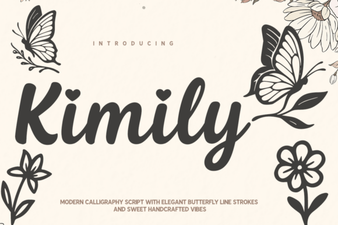 Kimily Font: Creative Typography for Modern Design Projects
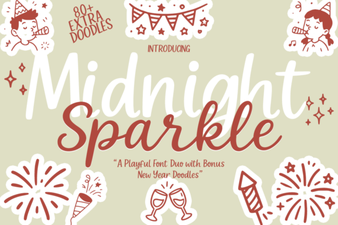 Midnight Sparkle Duo Font: Description & Design Ideas
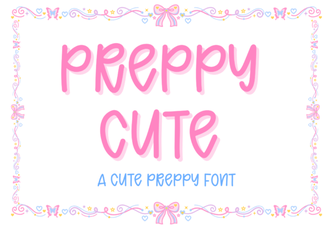 Charming Preppy Cute Fonts for Stylish Designs
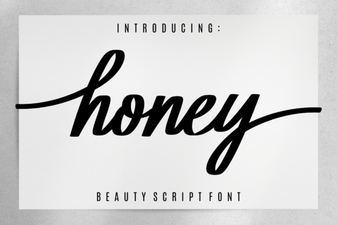 Honey Font Inspiration: Sweet Typography & Design Projects
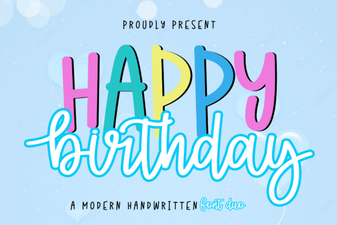 Happy Birthday Duo Font: Creative Design Ideas & Uses
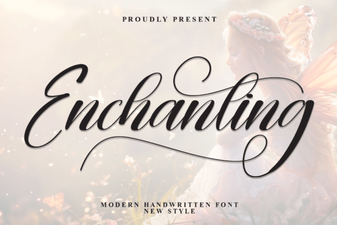 Enchanting Fonts: Add Magic to Your Typography