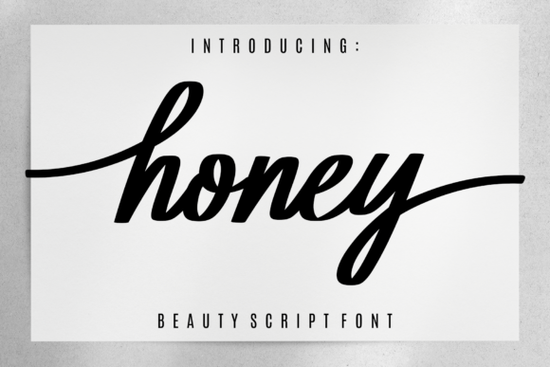
What makes Honey Font different from other script fonts?
Honey pairs a warm, approachable rhythm with clear calligraphic structure. The thick‑to‑thin strokes give it a professional brush‑lettering look, while the upbeat baseline gives it personality you won’t find in stiff formal scripts. Unlike many stylized fonts that sacrifice legibility, Honey stays easy to read at larger sizes ideal for hero text and quotes.
Every glyph and swash is PUA encoded, so you can access the extended characters in any software without a separate design tool. This means you get all the flourishes, alternates, and ligatures right inside Cricut Design Space, Silhouette Studio, or even simple text editors that support Unicode.
Is Honey Font suitable for branding and logos?
Absolutely. The font’s smooth, flowing letterforms make it a natural fit for beauty and lifestyle branding. Imagine a logo for a boutique bakery, a handmade candle line, or a natural skincare brand the honey‑dipped curve of the “H” conveys sweetness without looking childish.
For a high‑end twist, many designers apply gold foil textures or soft watercolor overlays to the lettering. The generous swashes at the beginning and end of words give you space to underline a brand name or create a decorative ribbon effect that stands out on product labels.
How can I pair Honey Font with other typefaces?
The lively motion of Honey works beautifully alongside something calm and structured. A tall, condensed serif like an elegant editorial face balances the font’s energy and creates a high‑contrast, fashion‑forward layout. Try using Honey for a tagline in a magazine‑style spread, with a clean sans‑serif for body copy and a refined serif for section titles.
If you want to keep a fully hand‑lettered atmosphere, consider mixing Honey with other script styles that bring a different tone. For a more playful, child‑like bounce, you might reach for Scribblemood Regular font. For a delicate, airy script that feels like a fine‑pen sketch, Salty Dish Line font offers a lovely contrast without clashing. Blending two script weights can work when you let each one own a distinct text hierarchy.
What kinds of projects suit Honey Font best?
Honey shines in designs that aim for warmth, charm, and a human touch. Some of the most popular uses include:
- Beauty and skincare packaging (think lotion labels, serum boxes, and candle jars)
- Artisan food packaging honey jars, jam labels, bakery stickers
- Apparel and tote bags with inspirational or “sweet life” quotes
- Wedding stationery and invitation suites that feel modern but romantic
- Social media quote graphics and lifestyle blog headers
- Book covers and interior titles for memoirs, cookbooks, and craft journals
Print‑on‑demand sellers especially love Honey because its distinct personality helps a simple “Bee Kind” mug or baby onesie catch someone’s eye in a crowded marketplace.
How do I access the swashes and alternate characters?
Because Honey Font is fully PUA‑encoded, you don’t need advanced software to unlock the extras. In any glyphs panel, character map, or even by copying and pasting from a font preview tool, you can select the long‑tailed versions, initial forms, and final swashes that make your text look custom‑drawn.
Even simpler: in Word or Pages, you can highlight a letter and scroll through the stylistic alternates if your operating system supports OpenType variations. For Cricut users, you can access the extra characters directly through the system Font Book (Mac) or Character Map (Windows) and paste them into your text box one at a time.
Are there similar hand‑lettered script fonts I should explore?
If you love Honey’s organic, brush‑pen feel, you’ll find a whole family of warm script styles on Creative Fabrica. For a slightly more casual, messy‑chic look with a lowercase charm, Saturday font brings relaxed weekend vibes. When a project asks for a vintage, editorial‑script mood, History font delivers classic contrast and old‑world elegance that pairs especially well with gold accents.
You can always browse more handcrafted script fonts to find the exact voice your project needs. Each one offers its own rhythm, so testing a few side by side often reveals the perfect match for your brand’s energy.
Quick start: what to check before you design
To get the most out of Honey Font right away, run through this small list:
- Open your font manager or glyphs panel and note which letters have swash variants especially the capitals A, H, M, S and the lowercase f, g, y.
- Test spacing: Honey looks airy and premium with generous letter‑spacing (try 50–100 units). Tight tracking can overwhelm its curls.
- Experiment with a subtle texture overlay a light watercolor or gold gradient to turn a simple wordmark into a logo.
- If you’re designing for print‑on‑demand, place the text on a mockup early to check how the thin strokes hold up at your intended size.
- For branding, pair Honey with a clean sans or a tall serif and watch the contrast bring both fonts alive.
Pick a short phrase maybe your brand name or a favorite encouragement and set it in Honey. Apply a gentle curve or an arched path in your design tool, and you’ll have an expressive design element that feels as warm as handwritten lettering but works reliably across every platform.
Get Started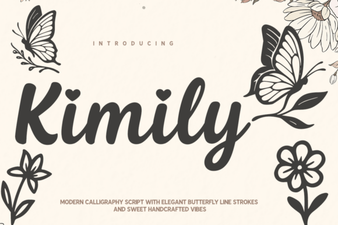 Kimily Font: Creative Typography for Modern Design Projects
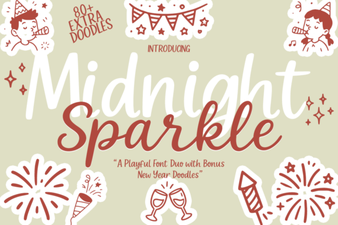 Midnight Sparkle Duo Font: Description & Design Ideas
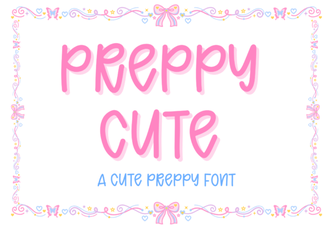 Charming Preppy Cute Fonts for Stylish Designs
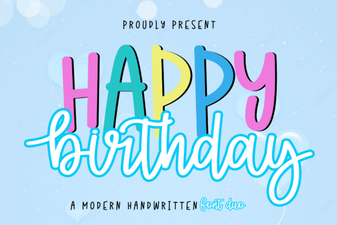 Happy Birthday Duo Font: Creative Design Ideas & Uses
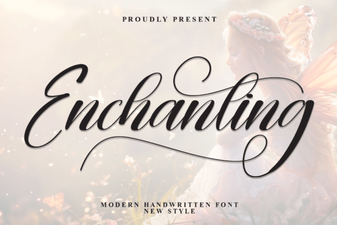 Enchanting Fonts: Add Magic to Your Typography
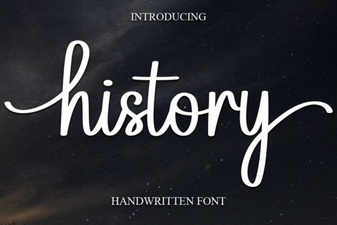 Discover the Perfect History Font for Vintage-Inspired Design