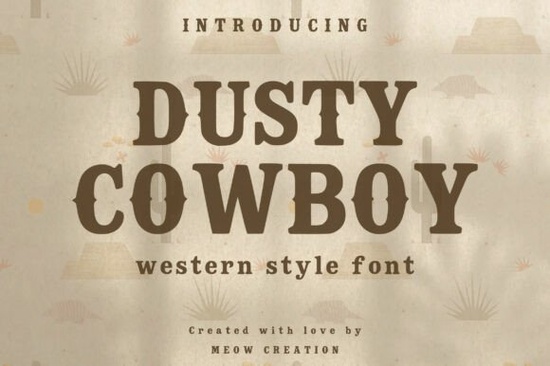
Whether you’re carving a logo for a honky-tonk bar or laying out a bbq flyer, the typography needs to carry the same grit as the message itself. Dusty Cowboy Font steps into that space with a weathered, confident voice like a sign painted on sun-baked wood. It’s a display face that leans into its vintage western roots without feeling like a costume piece, making it a reliable choice for anyone working on branding, apparel, or event design that calls for a frontier attitude.
What makes a western font actually readable at a distance?
The problem with many rugged display fonts is that the texture overtakes the letters. Dusty Cowboy avoids this by keeping the letterforms sturdy and the spacing generous. The serifs are chunky, the verticals stay heavy, and the rough edges add character without breaking the silhouette. This balance means you can use it on a storefront window, a truck decal, or a festival banner and still have passers-by read “County Fair” from across the lot. That bold readability also makes it work for small-scale pieces like leather patch labels or enamel mug printing items where fine detail would vanish.
Which design projects actually need a cowboy font?
You don’t need to live on a ranch to get use out of this. The rise of rustic wedding aesthetics, coffee shop branding, and boutique spirit labels has pulled western type into everyday design. Here are a few places where Dusty Cowboy feels right at home:
- Rodear and country event posters – big dates, bold venue names, and instant atmosphere.
- T-shirt graphics – whether it’s a family reunion tee or a vintage-style band merch drop.
- Bar and restaurant signage – menus, chalkboard headers, or whiskey flight cards.
- Social media templates – quote overlays for rustic lifestyle accounts.
- DIY invitations – barn party, campfire wedding, or country birthday.
- Logo marks – combine it with a simple badge or horseshoe icon for an affordable brand identity.
How does it compare to a scribbled brush font or a clean slab serif?
Brush fonts often feel handmade and a little messy, while slab serifs can lean too polished for a dusty aesthetic. Dusty Cowboy hits the middle: it’s rough enough to sell the vintage story but structured enough that a client won’t ask if it’s a mistake. If you’re looking for a softer, more romantic hand, a brushed script with gentle curves might pair well for accent lines. For an edgy, urban take on display type, a pixel ransom style cuts a completely different silhouette, while a classic ancient serif brings a more formal, historical feel. Knowing what’s available helps you pick the right tool for the job, and Dusty Cowboy’s lane is clearly worn leather and wide-open spaces.
Can you use it on print-on-demand items without issues?
Yes. The font ships with a standard commercial license that covers most POD platforms and small business uses. Because the letterforms are bold and slightly distressed, they hold up well on dark garments where thin scripts would get lost. A common trick: use it at larger sizes on the back of a hoodie and pair with a clean sans-serif on the front pocket. The rugged texture also hides minor print variations well something POD sellers learn to appreciate after their first few sample orders.
What should you watch out for when pairing typefaces?
The number one pitfall is adding another heavily distressed font right next to it. Too much texture creates visual noise. Instead, let Dusty Cowboy carry the spotlight and support it with something quiet a simple sans like a geometric or grotesk, or even a varsity-style font for a collegiate-meets-country mashup. Keep the supporting type small and track it out wide for a modern look, or tighten it up for a more traditional badge layout.
What’s included in the file, and what tools do you need?
You get the usual desktop formats (OTF/TTF) that work right away in Cricut Design Space, Silhouette Studio, Adobe apps, Canva (when uploaded), and standard word processors. The character set covers uppercase, lowercase, numerals, and basic punctuation enough for typical display work. There aren’t multiple weights or a variable version, but for a themed display face at a budget-friendly price, that’s expected. The download is straightforward, and installation takes under a minute on both Mac and Windows.
Does it work for non-English projects?
The font supports Latin-based languages, so Spanish, French, German, and similar character sets render without missing glyphs. That’s a practical win for designers creating bilingual event materials in the southwestern US or crafting labels for imported tequila-inspired brands. Just double-check any special accented characters in your word list before sending the final file.
Quick checklist before you buy
- Match the mood: do you need dusty, not distressed? This font delivers texture without falling apart.
- Check your canvas size: works best above 30pt for print, bigger for apparel.
- Plan a font pairing: pick one clean sans or simple script to handle body text.
- Confirm your software: standard OTF/TTF are universally accepted.
- Think beyond the ranch: breweries, barber shops, and campgrounds all lean into this look now.
Give yourself ten minutes to test a few sample words in your design software before committing type out your actual headline, your brand name, and a date to see if the rhythm of the letters feels right. That small step saves rework later and makes sure the font truly fits the voice you’re building.
Learn More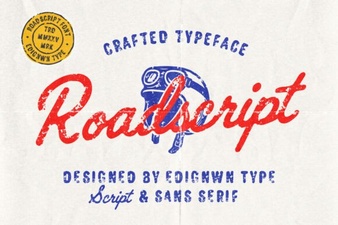 Roadscript Font: Unleash Creativity in Your Typography
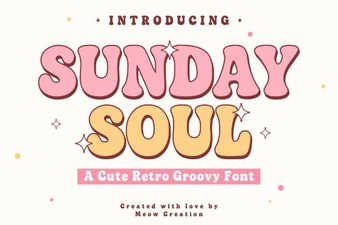 Sunday Soul Font: Creative Display Typeface Inspirations
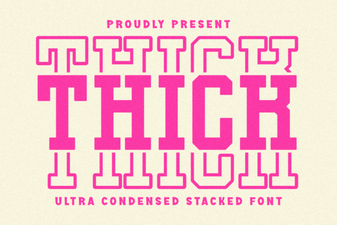 Bold Typography: Thick Stacked Fonts for Impact
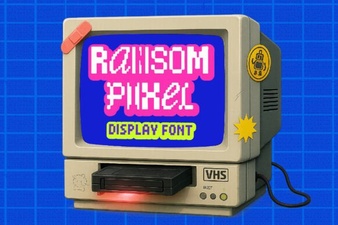 Ransom Pixel Font: Design Inspiration & Project Ideas
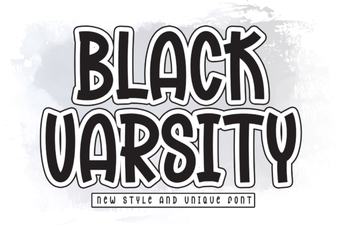 Bold Black Varsity Font Styles for Your Next Design
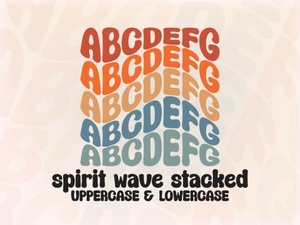 Spiritwavestacked Font: Inspiration for Bold Designs